Zielens, Lode |
| LITERARY MAN (BELGIUM) |
|
BORN 13 Jun 1901, Antwerpen - DIED 28 Nov 1944, Antwerpen BIRTH NAME Zielens, Ludovicus Carolus CAUSE OF DEATH rocket attack GRAVE LOCATION Antwerpen: Schoonselhof, Sint-Bernardsesteenweg, Hoboken (perk N, graf 43 (erekerkhof)) |
|
Lode Zielens' family was poor and he grew up in the Sint-Andries area of Antwerp. He worked as a shop assistant and as a dockworker in the docks of Antwerp. He met Frans Verschoren and with Verschoren's help his sghort novel "Schoolkolonie" (1920) was published in Elsevier's Maandschrift. It attracted attention in literary circles and he also came into contact with Herman Robbers. He joined the staff of the socialistic newspaper Volksgazet and on 18 November 1924 he married Ludovica Henrica Ceulemans. Their son Herman-Frans was born on 23 October 1925 and named after Robbers and Verschoren. In 1931 "Het duistere bloed" ("The Dark Blood") was published. His novel "Moeder waarom leven wij?" (1932, "Mother, why do we live?") was praised by Marnix Gijsen and it was turned into a movie in 1993. During the Second World War the publication of the Volksgazet was suspended and he was forced to work as a city clerk at the Museum of Flemish Literature. In November 1944, months after Antwerp was liberated and he had returned to journalism, he was killed by a V-2 bomb during a German attack. |
| Images |
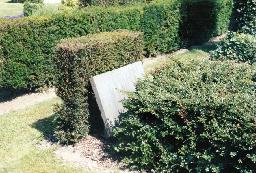 The grave of Lode Zielens at the Schoonselhof, Antwerpen. Picture by Androom (27 Jul 2002) |
Sources • Heessen, Hans, Harry Jansen & Ed Schilders, Waar ligt Poot?, De Prom, Baarn, 1997 • Lode Zielens - Wikipedia (EN) • Lode Zielens, Kritisch lexicon van de moderne Nederlandstalige literatuur, Sander Bax, Hugo Brems, Tom van Deel, Ad Zuiderent - DBNL |


